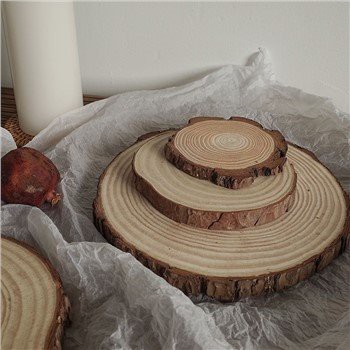

Hey there! As a supplier of 6mm Paulownia boards, I often get asked if these boards are good insulators. Well, let's dive right into it and find out.
First off, let's talk a bit about Paulownia wood itself. Paulownia is a fast - growing hardwood that has been gaining popularity in various industries. It's known for its light weight, which is a big plus when it comes to handling and transportation. And when we're talking about insulation, that light weight can actually play a significant role.
The structure of Paulownia wood contributes to its insulating properties. It has a relatively low density compared to some other woods. This low density means that there are more air pockets within the wood. Air is a great insulator because it doesn't conduct heat well. When heat tries to pass through a material, these air pockets in the Paulownia board act as barriers, slowing down the transfer of heat.
Now, specifically for the 6mm Paulownia board, the thickness is a factor to consider. A 6mm thickness is relatively thin, but it still has some insulating capabilities. In smaller applications, such as in the interior of cabinets or small boxes, it can help keep the temperature stable. For example, if you're making a small storage cabinet for delicate items that need to be kept at a consistent temperature, a 6mm Paulownia board can do a decent job of preventing heat from seeping in or out.
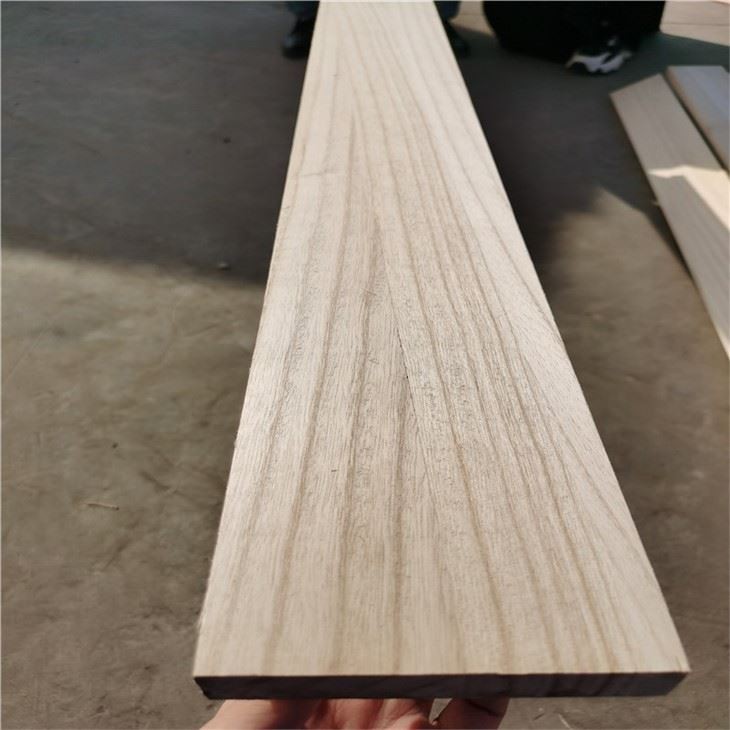

But how does it stack up against other insulating materials? Well, compared to traditional insulation materials like fiberglass or foam, the 6mm Paulownia board might not have the same high - level insulation performance. Fiberglass and foam are specifically designed for insulation and are often much thicker and more efficient at blocking heat transfer. However, Paulownia has its own advantages. It's a natural material, which is a big draw for those who are environmentally conscious. It doesn't release any harmful chemicals like some synthetic insulation materials might.
In the construction industry, the 6mm Paulownia board can be used as a secondary insulating layer. For instance, in a wall, it can be installed on the interior side behind the drywall. This extra layer can add a bit of an insulating boost, especially in mild climates. It can also help in reducing noise transfer to some extent, as the air pockets in the wood can absorb sound waves.
If you're in the furniture - making business, the 6mm Paulownia board can be a great choice. Not only does it provide a bit of insulation for items stored inside the furniture, but it also gives a natural and aesthetically pleasing look. It can be stained or painted to match any decor style, making it a versatile option.
Now, let's talk about the types of Paulownia boards available. We have Paulownia Wood With Best Price. These boards are sourced and processed to offer the best value for money. They maintain the same insulating properties as other Paulownia boards but at a more affordable price point. This makes them a great option for those on a budget who still want to benefit from Paulownia's insulation and other qualities.
Another type is the Paulownia Finger Jointed Board. These boards are made by joining smaller pieces of Paulownia wood together using a finger joint technique. This not only increases the length and width of the board but also helps in maintaining the overall strength and insulating properties. The joints are designed in such a way that they don't compromise the air pockets within the wood, so the insulation remains intact.
And for those who are looking for the best quality, we have High - quality Wood Paulownia Wood. These boards are sourced from the finest Paulownia trees and are carefully processed to ensure the highest level of quality. They have excellent insulating properties and are perfect for high - end applications, such as in luxury furniture or high - end construction projects.
When it comes to installation, the 6mm Paulownia board is relatively easy to work with. You can cut it with regular wood - cutting tools, and it can be nailed or glued into place. This makes it accessible for DIY enthusiasts as well as professional contractors.
In terms of maintenance, Paulownia is a fairly low - maintenance wood. It doesn't require a lot of special treatment to maintain its insulating properties. A simple coat of varnish or paint can help protect it from moisture and wear, which in turn will keep its insulation capabilities intact.
So, is the 6mm Paulownia board a good insulator? Well, it's not the most powerful insulator out there, but it definitely has its place. It offers a natural, eco - friendly option with some decent insulating capabilities, especially in smaller applications or as a secondary insulating layer. Whether you're in the construction, furniture - making, or DIY world, it's worth considering for your next project.
If you're interested in purchasing our 6mm Paulownia boards, we'd love to have a chat with you. We can discuss your specific needs, the quantity you require, and any customizations you might want. Just get in touch, and we'll be happy to assist you in finding the perfect solution for your insulation and other wood - related needs.
References
- Wood Handbook: Wood as an Engineering Material. Forest Products Laboratory.
- Journal of Wood Science. Various studies on the properties of Paulownia wood.