1. Measure the moisture content of the floor
National standards stipulate that the moisture content of wooden floors is 8%-13%. In fact, my country has a vast territory, and different regions have different requirements for moisture content. In the northern part of my country, the moisture content of the floor is 12%, and the moisture content of the floor in the southern area should also be controlled within 14%. The distributors of general wood flooring should have a moisture content tester, if not, it means that the moisture content index is not paid attention to. When buying, first measure the moisture content of the wooden floor selected in the exhibition hall, and then measure the moisture content of the wooden floor of the same material and specification without opening the package. If the difference is within ±2%, it can be considered qualified.
2. Observe the accuracy of wooden floors
After unpacking the wooden floor, you can take out about 10 pieces to assemble it with bare hands, observe the tongue and groove, the assembly gap, and the height difference between adjacent boards.
3. Check the defects of the substrate
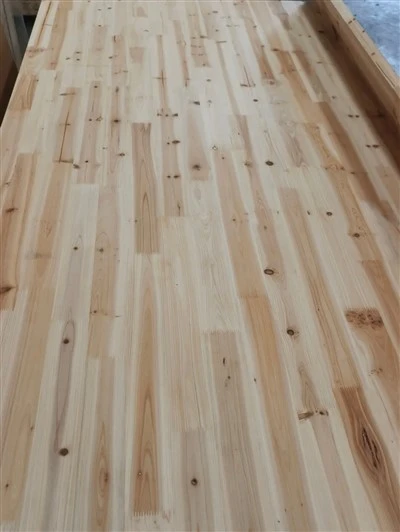
Check whether the same tree species is the same, whether it is chaotic, and whether the floor has defects such as dead knots, live knots, cracks, decay, and bacterial change. As for the chromatic aberration of the floor, since the wooden floor is a natural wood product, there are objectively the phenomenon of chromatic aberration and unevenness, which cannot be avoided. Moreover, laying solid wood flooring feels the feeling of returning to nature because of its natural colors and patterns. It is unreasonable to pursue the floor without color difference, as long as it is slightly adjusted during paving.