


Hey there, woodworking enthusiasts! As a solid wood board supplier, I often get asked about the best glue for joining solid wood boards. It's a crucial question because the right glue can make or break your woodworking project. In this blog, I'll walk you through the different types of glues available, their pros and cons, and which ones are best suited for various solid wood board applications.
Types of Glues for Joining Solid Wood Boards
PVA Glue (Polyvinyl Acetate)
PVA glue is one of the most common glues used in woodworking. It's easy to use, dries clear, and has a relatively long open time, which means you have some time to adjust the boards before the glue sets. It forms a strong bond and is suitable for most general woodworking projects.
One of the great things about PVA glue is that it's water-based, so it's easy to clean up with just water. It also doesn't emit strong fumes, making it a safe choice for indoor use. However, it's not very resistant to moisture, so it's not the best option for outdoor projects or areas that are exposed to water regularly.
Epoxy Glue
Epoxy glue is a two-part adhesive that consists of a resin and a hardener. When mixed together, they create a strong, durable bond that can withstand a lot of stress. Epoxy glue is known for its excellent adhesion to a wide range of materials, including wood, metal, and plastic.
It's also highly resistant to moisture, chemicals, and heat, making it a great choice for outdoor projects or applications where the wood will be exposed to harsh conditions. However, epoxy glue can be a bit more difficult to work with than PVA glue. It has a shorter open time, so you need to work quickly to apply it and join the boards. It also requires careful mixing of the resin and hardener, and it can be messy if not handled properly.
Polyurethane Glue
Polyurethane glue is another popular choice for joining solid wood boards. It's a one-component adhesive that cures when exposed to moisture in the air. It forms a strong, flexible bond that can withstand some movement and vibration.
One of the advantages of polyurethane glue is that it expands as it cures, filling in gaps and creating a tight bond. It's also resistant to water, making it suitable for outdoor projects. However, it can be a bit more expensive than other types of glue, and it has a strong odor, so it's best used in a well-ventilated area.
Hide Glue
Hide glue is a traditional woodworking glue that has been used for centuries. It's made from animal hides and is a natural, renewable resource. Hide glue has a long open time and forms a strong, reversible bond, which means it can be easily disassembled if needed.
It's also heat-resistant, making it a good choice for projects where the wood will be exposed to high temperatures. However, hide glue requires a bit more skill to use than other types of glue. It needs to be heated to a specific temperature before use, and it has a relatively short working time once it's heated.
Choosing the Right Glue for Your Project
Now that you know about the different types of glues available, how do you choose the right one for your project? Here are some factors to consider:

Project Type
The type of project you're working on will play a big role in determining the best glue to use. For example, if you're making a piece of furniture that will be used indoors, PVA glue may be a good choice. If you're building an outdoor deck or a boat, you'll need a glue that's more resistant to moisture, such as epoxy or polyurethane glue.
Wood Species
Different wood species have different characteristics, and some glues may work better with certain woods than others. For example, some woods, such as teak and rosewood, contain natural oils that can interfere with the adhesion of some glues. In these cases, you may need to use a glue that's specifically designed for oily woods.
Bond Strength
The bond strength you need will depend on the application. For example, if you're making a structural joint, such as a mortise and tenon joint, you'll need a glue that can provide a strong, durable bond. If you're just gluing two pieces of wood together for a decorative purpose, you may not need as strong of a bond.
Open Time
The open time of the glue is the amount of time you have to apply the glue and join the boards before the glue sets. If you're working on a large project or if you need to make adjustments to the boards after applying the glue, you'll need a glue with a longer open time.
Our Solid Wood Board Products
As a solid wood board supplier, we offer a wide range of high-quality solid wood boards for your woodworking projects. Here are some of our popular products:
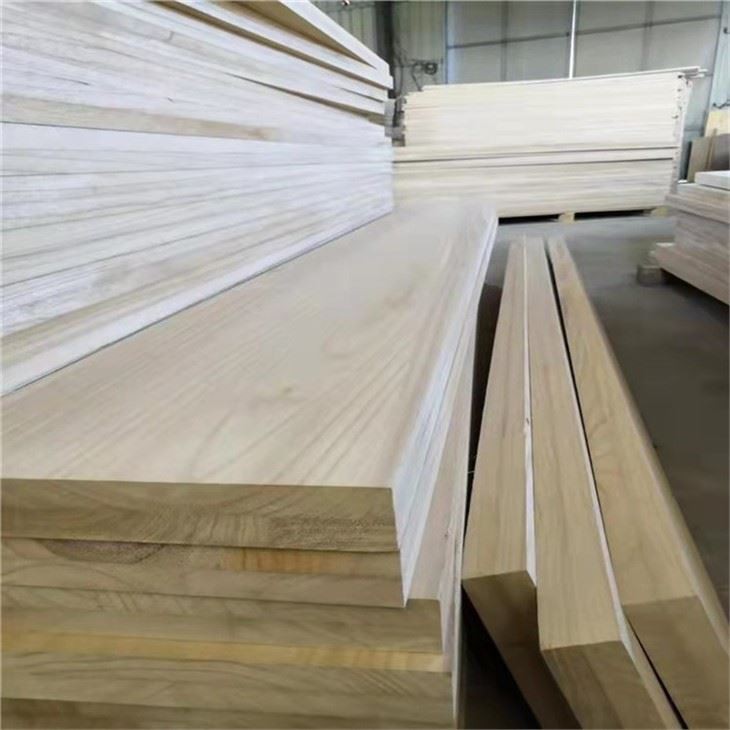
- Paulownia Edge Glued Panels: These panels are made from paulownia wood, which is known for its lightweight, strong, and durable properties. They're perfect for a variety of applications, including furniture making, cabinetry, and interior decoration.
- Factory Direct Sales Of Carbonized Poplar Wood: Carbonized poplar wood is a popular choice for outdoor projects because it's resistant to rot, decay, and insects. Our factory direct sales ensure that you get the best quality carbonized poplar wood at a competitive price.
- Pine Finger Joint Board: Pine finger joint boards are made from high-quality pine wood and are joined together using a finger joint technique. This creates a strong, stable board that's suitable for a variety of applications, including flooring, wall paneling, and furniture making.
- Edge Glued Paulownia Boards: These boards are made from edge-glued paulownia wood, which provides a smooth, even surface. They're ideal for applications where a high-quality finish is required, such as cabinet doors, drawer fronts, and tabletops.
- Paulownia Boards For Sale: Our paulownia boards are available in a variety of sizes and thicknesses to meet your specific needs. They're a great choice for a wide range of woodworking projects, from small crafts to large-scale construction.
Conclusion
Choosing the right glue for joining solid wood boards is an important decision that can have a big impact on the success of your woodworking project. By considering the type of project, wood species, bond strength, and open time, you can select the glue that's best suited for your needs.
If you have any questions about our solid wood board products or need help choosing the right glue for your project, don't hesitate to contact us. We're here to help you make the most of your woodworking projects.
References
- Dormer, P. (1979). The Craftsman's Handbook: Tools and Techniques. London: Batsford.
- Holtzman, J. (2015). Wood Glue Basics: Which Glue Is Right for Your Project? Fine Woodworking.
- Klein, R. (2010). Understanding Wood: A Craftsman's Guide to Wood Technology. Newtown, CT: Taunton Press.


