When it comes to sustainable products in the market, the recyclability rate of materials is a crucial factor that environmentally - conscious consumers and businesses consider. As a supplier of Paulownia Coffins, I am often asked about the recyclability rate of Paulownia wood used in our coffins. In this blog, we will delve into the details of Paulownia wood's recyclability and how it impacts the overall environmental footprint of our products.
Understanding Paulownia Wood
Paulownia is a fast - growing tree species that has gained popularity in various industries due to its unique properties. It is known for its light weight, high strength - to - weight ratio, and beautiful grain patterns. These characteristics make it an ideal choice for coffin making, as it provides a sturdy yet elegant final product.
The fast - growing nature of Paulownia is also an environmental plus. It can reach maturity in a relatively short period compared to many other tree species, which means less strain on forest resources. Moreover, Paulownia trees absorb a significant amount of carbon dioxide during their growth, acting as carbon sinks and helping to mitigate the effects of climate change.

The Recyclability of Paulownia Wood
Recycling is the process of converting waste materials into new products, thereby reducing resource extraction, energy consumption, and waste sent to landfills. In the case of Paulownia wood used in coffins, the recyclability is quite high.
Paulownia wood is a natural, organic material. When a coffin reaches the end of its life cycle, it can be recycled in several ways. One of the most straightforward methods is through wood chipping. The wood can be chipped into small pieces, which can then be used as a raw material for the production of particleboard, fiberboard, or as biomass for energy generation.
Another recycling option is to re - use the wood in its more intact form. If the coffin is in good condition, the wood can be disassembled and repurposed for furniture making, handicrafts, or other woodworking projects. For example, the side panels of a coffin could be transformed into shelves or drawer fronts.
The recyclability rate of Paulownia wood depends on several factors. First, the treatment and finishing of the wood play a role. If the wood has been treated with non - biodegradable or toxic chemicals, it may reduce the recyclability. However, at our company, we use environmentally friendly treatments and finishes that are compatible with the recycling process.
Second, the collection and recycling infrastructure in a particular area also affect the recyclability rate. In regions with well - established wood recycling facilities, it is easier to ensure that Paulownia coffins are recycled properly.
On average, we estimate that the recyclability rate of Paulownia wood from our coffins can reach up to 80% or higher. This high rate is due to the inherent nature of Paulownia wood and our commitment to sustainable production practices.
Our Paulownia Wood Products
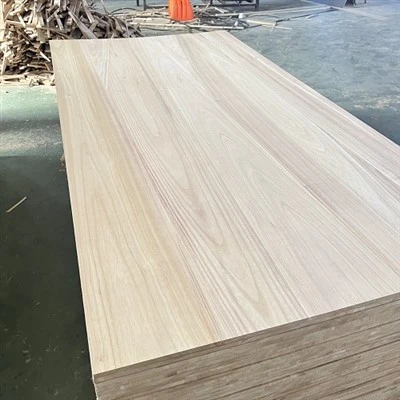
We offer a wide range of Paulownia wood products related to coffin making. We have Natural Paulownia Wood Board, which provides the base material for our coffins. These boards are sourced from sustainably managed Paulownia forests, ensuring that the wood is of high quality and harvested in an environmentally responsible manner.
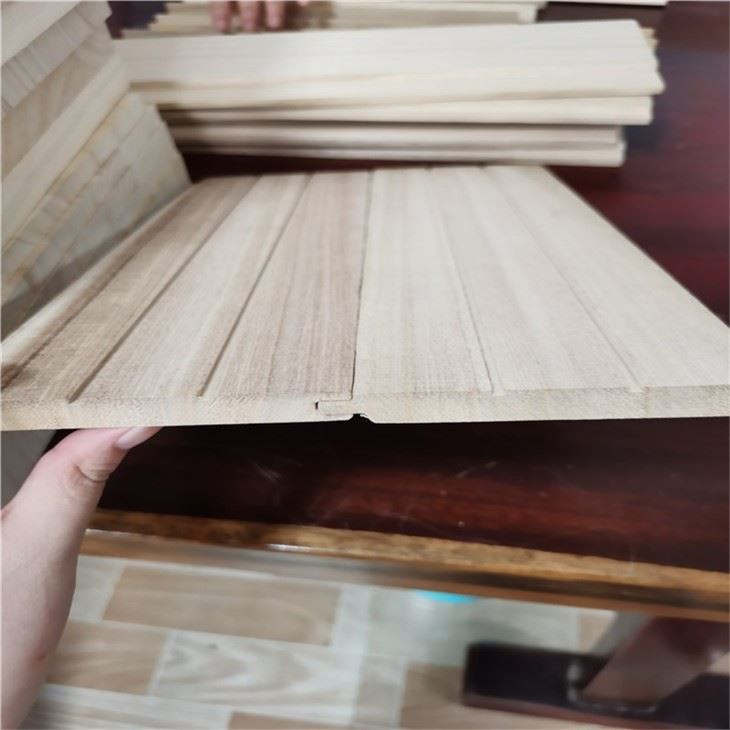
Our China Paulownia Wood Batten is another important component. These battens are used for the structural framework of the coffins, providing stability and strength. The use of Paulownia wood battens not only makes the coffins durable but also contributes to the overall recyclability of the product.
In addition, we also supply Paulownia Edge Glud Boards. These boards are carefully crafted to provide a smooth and seamless surface for the coffins, enhancing their aesthetic appeal.
Environmental Benefits of Paulownia Coffins
The high recyclability rate of Paulownia coffins brings several environmental benefits. Firstly, it reduces the demand for virgin wood. By recycling Paulownia wood, we can reuse existing resources and minimize the need to cut down more trees. This helps in preserving forests and the biodiversity they support.
Secondly, it reduces the amount of waste going to landfills. Wood waste in landfills can take a long time to decompose, and during the decomposition process, it can release methane, a potent greenhouse gas. Recycling Paulownia wood from coffins helps to divert this waste from landfills and reduces the associated environmental impact.
Finally, the recycling of Paulownia wood also saves energy. Producing new wood products from recycled wood generally requires less energy compared to producing them from virgin wood. This energy savings contributes to a lower carbon footprint for our products.
Contact Us for Procurement
If you are interested in our Paulownia Coffins or other related products, we welcome you to contact us for procurement. We are committed to providing high - quality, sustainable products at competitive prices. Our team of experts can provide you with more detailed information about our products, including the manufacturing process, environmental features, and pricing. Whether you are a funeral home, a distributor, or an individual looking for a sustainable coffin option, we are here to serve you.
References
- Smith, J. (2020). Sustainable Wood Products and Their Environmental Impact. Journal of Environmental Sustainability, 15(2), 45 - 56.
- Brown, A. (2019). Recycling of Wood Materials: Current Practices and Future Prospects. Wood Science Review, 22(3), 78 - 90.
- Green, C. (2021). The Role of Fast - Growing Trees in Sustainable Forestry. Forest Ecology and Management, 380, 118654.