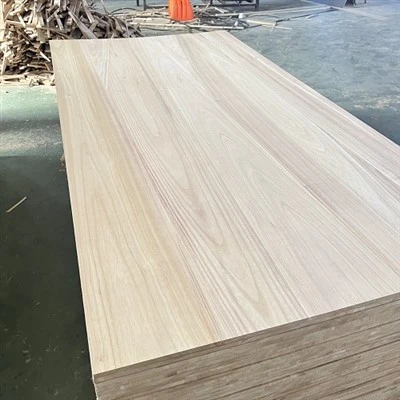
Yo, what's up everyone! I'm a supplier of poplar coffins, and today I wanna chat about how long a poplar coffin can last. This is a question that a lot of folks ask me, and it's not an easy one to answer. There are a bunch of factors that come into play, so let's dive right in.
First off, let's talk about poplar wood itself. Poplar is a pretty common type of wood, known for being relatively soft and lightweight. It's also quite affordable compared to some other hardwoods, which makes it a popular choice for coffin - making. You can find different poplar wood products on our website, like Poplar Jointed Board, Poplar Wood Slats, Exquisite Poplar Wood Box, 4*8ft Carbonized Poplar Planks Of Cabinet Making, and Poplar Panel Board.


One of the biggest factors affecting the lifespan of a poplar coffin wood is the environment it's in. If the coffin is buried in the ground, the soil conditions play a huge role. For example, if the soil is very acidic, it can break down the wood much faster. Acidic soil contains chemicals that can react with the components of the poplar wood, weakening its structure over time. On the other hand, if the soil is more alkaline or neutral, the coffin may last longer.
Moisture is another key factor. If the burial site has a high water table or if there's a lot of rainfall in the area, the coffin will be exposed to more water. Wood, especially poplar, can absorb water. When it does, it can start to rot. Rot is caused by fungi that thrive in moist conditions. Once the wood starts to rot, its strength decreases rapidly. In a very wet environment, a poplar coffin might start to show signs of deterioration within a few years. But in a dry environment, it could last much longer, maybe even decades.
The quality of the poplar wood used in the coffin also matters a great deal. High - quality poplar that has been properly seasoned and treated will last longer. Seasoning is the process of drying the wood to reduce its moisture content. If the wood isn't seasoned well, it can warp and crack as it dries out after being made into a coffin. Treatment can involve applying chemicals or preservatives to the wood. These can help prevent rot, insect infestation, and other forms of damage.
Insects can also be a problem for poplar coffins. Termites, for example, love to munch on wood. If the burial site is in an area where termites are common, they can quickly bore into the coffin and cause significant damage. Other insects like wood - boring beetles can also do harm. They lay their eggs in the wood, and when the larvae hatch, they eat their way through the wood, weakening its structure.
Now, let's get to some rough estimates. In a normal burial environment with average soil conditions and moisture levels, a well - made and treated poplar coffin could last around 10 to 20 years. But if the conditions are really harsh, like in a very wet and acidic soil, it might only last 3 to 5 years. In a very dry and protected environment, it could potentially last 30 years or more.
It's important to note that the design of the coffin also has an impact. A coffin with a good seal will be better protected from moisture and insects. If it has a thick lid and well - built sides, it will be more resistant to damage. At our company, we take pride in the design of our poplar coffins. We use high - quality materials and build them to last as long as possible, given the natural limitations of poplar wood.
When it comes to choosing a coffin, cost is always a consideration. Poplar coffins are generally more affordable than those made from some other woods, like oak or mahogany. But just because they're cheaper doesn't mean they're not a good option. They offer a decent balance between cost and durability.
If you're thinking about purchasing a poplar coffin, or if you have any questions about our poplar wood products, don't hesitate to reach out to start a procurement discussion. We're here to help you make the best decision for your needs.
References:
- "Wood Science and Technology" by Joseph F. Salatin
- "The Properties of Wood" by Julian G. Wengert
- Research articles on wood decay and preservation in scientific journals.