Wood-related knowledge
Many people think that wood is just plain wood. In fact, it contains many practical tricks. Whether it's indoor panels, outdoor materials, or export and foreign trade wood, the core lies in moisture content, material stability, and processing techniques. Understanding these can help avoid most material usage mistakes.
Firstly, everyone should understand that wood is a natural material that "breathes", shrinking and expanding with changes in weather dryness and humidity. This is the main reason for wood cracking and deformation. It's not that the lower the moisture content, the better. The adaptation standards for different countries and different scenarios are completely different. For example, for export to dry regions in the Middle East, the moisture content of wood should be controlled at 6%-8%; for export to cold and humid regions in Northern Europe and Europe, an 8%-10% moisture content is the most suitable, and incorrect values can easily lead to cracking and warping problems.
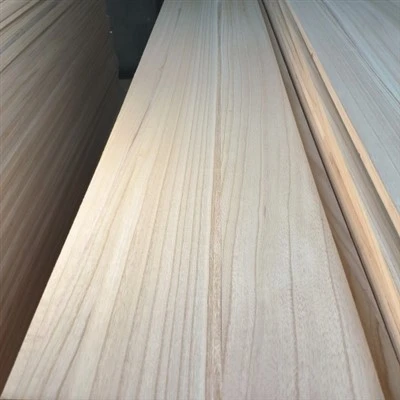
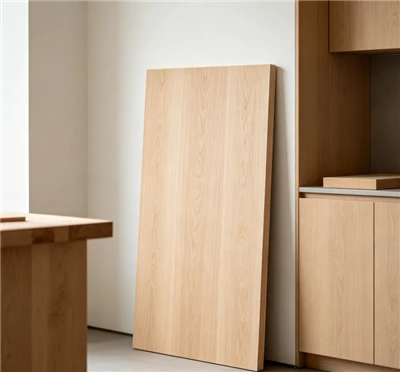
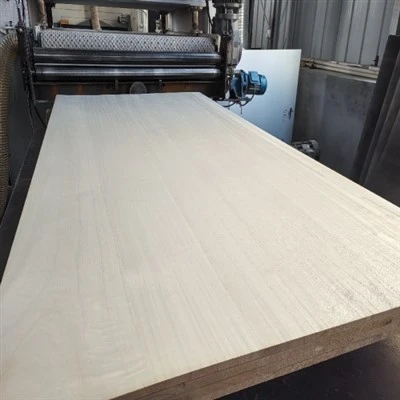
Secondly, wood is divided into soft and hard types. Daily materials have different focuses. Softwood types like pine are lightweight and have good toughness. After being treated with anti-corrosion, they are resistant to sun exposure and rain, and are very suitable for outdoor structures like pergolas and awnings. Poplar, ash, and other hardwoods have regular textures, clean appearance, and high flatness. They are mostly used for indoor panels, packaging, and decorative materials, and have a higher cost-performance ratio.
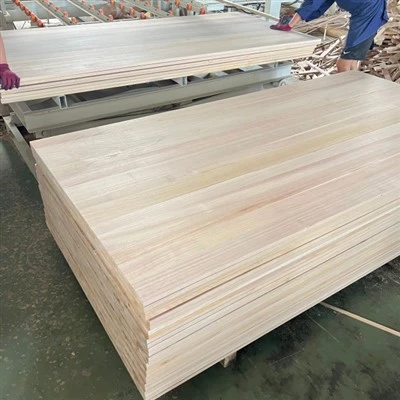
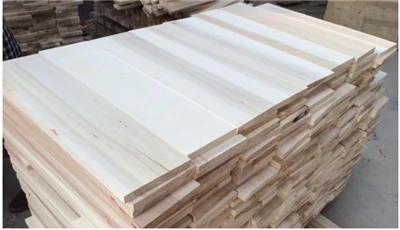
In addition, raw wood panels generally require kiln drying and drying treatment. Natural drying will never meet the export standards for foreign trade. Dried panels can not only stabilize moisture content but also effectively kill insect eggs and prevent mold, meeting the import quarantine requirements of various countries. At the same time, different grades of panels have very different uses. Economy-grade panels are suitable for concealed projects, packaging materials, etc., while high-grade panels are mostly used for high-end decoration and load-bearing structures.
In conclusion, good wood products do not rely solely on material selection, but rather on precise drying, standardized processes, and customized handling for suitable scenarios. This is the core key to the stable quality of wood exports.