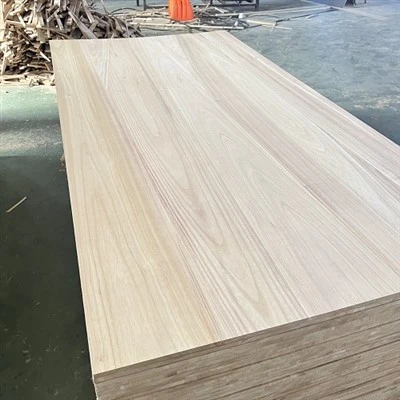
As a supplier of high - quality poplar panel boards, I understand the critical importance of transporting these products safely. Poplar panel boards are widely used in various industries such as furniture manufacturing, interior decoration, and construction. However, they can be easily damaged during transportation if not handled properly. In this blog, I will share some essential tips on how to transport poplar panel boards safely.
1. Pre - transportation Preparation
Inspection of the Panels
Before loading the poplar panel boards onto the transportation vehicle, a thorough inspection is necessary. Check for any signs of damage, such as cracks, knots that might loosen, or surface scratches. We offer Solid Wood Poplar Lumber and No Scar Knot Poplar Panel, and ensuring their quality before transportation is the first step in guaranteeing they reach our customers in perfect condition. Remove any defective panels to avoid further issues during transit.
Packaging
Proper packaging is the key to protecting poplar panel boards during transportation. The panels should be wrapped in thick plastic sheets to prevent moisture absorption, which can cause warping or rot. Additionally, edge protectors made of foam or cardboard can be used to safeguard the vulnerable edges of the panels from impacts. For larger shipments, the panels can be bundled together using strong straps, but make sure not to over - tighten the straps as it may cause damage to the panels. Our Treated White Poplar Board is often treated to resist moisture, but proper packaging still adds an extra layer of protection.
Labeling
Each package of poplar panel boards should be clearly labeled. Include information such as the type of panel, dimensions, quantity, and handling instructions. Labels can help the transportation personnel understand how to handle the packages properly and also assist in inventory management at the destination.
2. Selection of the Right Transportation Vehicle
Type of Vehicle
The choice of transportation vehicle depends on the quantity and size of the poplar panel boards. For small - scale deliveries, a van or a light - duty truck may be sufficient. However, for large - volume shipments, a flatbed truck or a specialized trailer designed for transporting lumber and panels is more appropriate. These vehicles provide a stable platform for the panels and can usually carry a large number of panels at once.
Condition of the Vehicle
The transportation vehicle must be in good condition. The floor of the truck or trailer should be flat and clean to prevent the panels from shifting or getting damaged. Check for any sharp edges or protrusions that could scratch or puncture the panels. Also, the vehicle's suspension system should be in proper working order to ensure a smooth ride and minimize vibrations that could harm the panels.
Weatherproofing
If the transportation is going to be done outdoors, ensure that the vehicle has proper weatherproofing. A tarpaulin can be used to cover the panels on a flatbed truck, protecting them from rain, snow, and direct sunlight. This is especially important for long - distance transportation.
3. Loading and Unloading
Loading Process
When loading the poplar panel boards onto the vehicle, it is essential to stack them carefully. Place the panels in an orderly manner, aligning them properly to avoid any uneven weight distribution. The heavier panels should be placed at the bottom of the stack to provide stability. Do not overload the vehicle, as it can lead to dangerous driving conditions and increase the risk of panel damage. Use equipment such as forklifts or cranes to lift and load the panels safely, following the manufacturer's instructions for the equipment.
Securing the Load
Once the panels are loaded, they need to be firmly secured to prevent movement during transit. Straps, ropes, or chains can be used to tie down the panels to the vehicle. Make sure the straps are tightened evenly to avoid any pressure points on the panels. Additionally, blocks or wedges can be placed between the panels and the sides of the vehicle to further prevent shifting.
Unloading Process
Unloading should be carried out with the same level of care as loading. Use the appropriate equipment to lift the panels gently from the vehicle. Avoid dropping or throwing the panels, as this can cause significant damage. Place the panels in a designated area at the destination, following the customer's instructions.
4. Transportation Route and Conditions
Route Planning
Plan the transportation route in advance. Avoid roads with rough surfaces, potholes, or sharp turns as much as possible. These conditions can cause excessive vibrations and jolts, which are harmful to the poplar panel boards. Check the traffic conditions and consider alternative routes to avoid long - term idling or heavy traffic, which can also increase the risk of damage due to repeated stops and starts.
Weather Conditions
Keep an eye on the weather forecast before and during transportation. If there is a high chance of heavy rain, snow, or strong winds, it may be necessary to postpone the transportation or take additional protective measures. Extreme weather conditions can not only damage the panels but also pose a safety risk to the transportation personnel.
5. Monitoring During Transportation
Real - time Tracking
Use a real - time tracking system to monitor the location and movement of the transportation vehicle. This allows you to keep an eye on the progress of the delivery and quickly respond to any unexpected situations, such as delays or detours. Some tracking systems also provide information about the vehicle's speed, acceleration, and braking, which can help you assess the potential impact on the panels.
Communication with the Driver
Maintain regular communication with the driver during transportation. The driver can provide updates on the road conditions, the status of the load, and any issues that may arise. Encourage the driver to report any signs of damage or problems with the vehicle immediately.
Conclusion
Transporting poplar panel boards safely requires careful planning, proper packaging, the right choice of transportation vehicle, and strict adherence to safety procedures during loading, unloading, and transit. By following these tips, we can ensure that our customers receive high - quality poplar panel boards in perfect condition.
If you are interested in purchasing our poplar panel boards, we welcome you to contact us for further discussions and negotiations. We are committed to providing you with the best products and services.
References
- Forest Products Laboratory. (2010). Wood handbook: Wood as an engineering material. U.S. Department of Agriculture, Forest Service.
- ASTM International. (2019). Standard practice for packaging and packing of wood products. ASTM D3951 - 19.
- International Maritime Organization. (2018). Code of safe practice for solid bulk cargoes (BC Code).