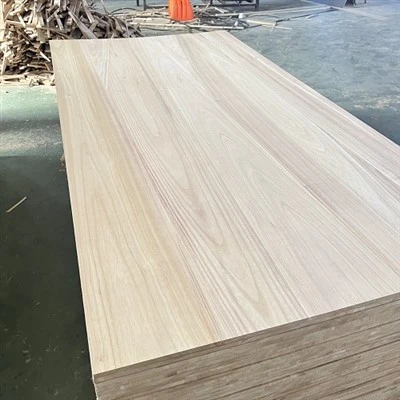
As a seasoned supplier of solid wood boards, I've witnessed firsthand the transformative power of laminating these natural materials. Laminating solid wood boards is a process that involves bonding a thin layer of material, such as paper, plastic, or veneer, to the surface of the wood. This technique not only enhances the aesthetic appeal of the boards but also offers a multitude of practical benefits that make them a superior choice for various applications. In this blog post, I'll explore the numerous advantages of laminating solid wood boards and why they should be your top pick for your next project.
Enhanced Durability
One of the primary benefits of laminating solid wood boards is the significant boost in durability. The laminate acts as a protective shield, guarding the wood against scratches, dents, and abrasions that can occur during normal use. This is particularly important in high-traffic areas or applications where the wood is likely to come into contact with sharp objects or heavy loads. For example, laminated solid wood boards used in kitchen cabinets or office furniture can withstand the daily wear and tear of cooking, working, and moving items without showing signs of damage.
Moreover, laminates are resistant to moisture, stains, and chemicals, which helps to prevent the wood from warping, rotting, or discoloring over time. This makes laminated solid wood boards an excellent choice for outdoor applications, bathrooms, and kitchens, where exposure to water and other liquids is common. By protecting the wood from these elements, laminating extends the lifespan of the boards, reducing the need for frequent replacements and saving you money in the long run.
Improved Aesthetics
Laminating solid wood boards offers endless possibilities for enhancing the visual appeal of your projects. With a wide range of colors, patterns, and textures available, you can choose a laminate that complements your design style and creates a unique and personalized look. Whether you prefer a natural wood grain finish, a modern geometric pattern, or a bold and vibrant color, there's a laminate option to suit your taste.
In addition to providing a decorative element, laminates can also mimic the appearance of more expensive materials, such as marble, granite, or exotic woods. This allows you to achieve a high-end look without breaking the bank. For example, a laminated solid wood board with a marble-like finish can be used to create a luxurious and elegant countertop or backsplash in your kitchen or bathroom.
Easy Maintenance
Another advantage of laminating solid wood boards is the ease of maintenance. Unlike natural wood, which requires regular cleaning, sanding, and refinishing to maintain its appearance, laminated boards are relatively low-maintenance. A simple wipe-down with a damp cloth and mild detergent is usually sufficient to keep the surface clean and free of dirt and stains.
Furthermore, laminates are resistant to fading, which means they will retain their color and appearance over time, even when exposed to sunlight. This makes them a great choice for applications where the wood is likely to be exposed to direct sunlight, such as window frames, doors, and outdoor furniture.
Cost-Effectiveness
Laminating solid wood boards is a cost-effective alternative to using solid wood or other expensive materials. The process of laminating is relatively inexpensive, and the cost of the laminate itself is often much lower than the cost of natural wood or other high-end materials. This makes laminated solid wood boards a great option for budget-conscious consumers who want to achieve a high-quality look without spending a fortune.
In addition to the initial cost savings, the durability and low-maintenance nature of laminated boards also contribute to long-term cost savings. By reducing the need for frequent replacements and repairs, you can save money on labor and materials over the life of the project.
Versatility
Laminated solid wood boards are incredibly versatile and can be used in a wide range of applications. From furniture and cabinetry to flooring and wall paneling, these boards can be used to create a variety of functional and decorative elements in your home or office.
For example, Poplar Wood Drawer Board is a popular choice for drawer construction due to its strength, durability, and smooth surface. The laminate adds an extra layer of protection and enhances the appearance of the drawer, making it a stylish and practical addition to any piece of furniture.
Similarly, Coffin Letter Board can be used to create unique and eye-catching wall art or signage. The laminated surface allows for easy customization, making it possible to add letters, numbers, or designs to the board to create a personalized message or display.
Primed Paulownia Board is another versatile option that can be used for a variety of applications, including furniture, cabinetry, and interior decoration. The lightweight and strong nature of paulownia wood, combined with the protective and decorative properties of the laminate, make it a popular choice for both residential and commercial projects.
Environmental Benefits
In today's environmentally conscious world, many consumers are looking for sustainable and eco-friendly building materials. Laminating solid wood boards can be a more sustainable option compared to using solid wood or other materials. By using a thin layer of laminate to enhance the appearance and durability of the wood, less natural wood is required, which helps to conserve forests and reduce the environmental impact of the project.
In addition, many laminates are made from recycled materials or are recyclable themselves, which further reduces their environmental footprint. By choosing laminated solid wood boards, you can make a positive contribution to the environment while still achieving the look and functionality you desire.
Conclusion
In conclusion, laminating solid wood boards offers a multitude of benefits that make them a superior choice for various applications. From enhanced durability and improved aesthetics to easy maintenance and cost-effectiveness, the advantages of laminating are clear. Whether you're a homeowner, contractor, or designer, incorporating laminated solid wood boards into your projects can help you achieve a high-quality, long-lasting, and stylish result.
If you're interested in learning more about our range of laminated solid wood boards or have any questions about the laminating process, please don't hesitate to contact us. Our team of experts is here to assist you with your project and provide you with the information and support you need to make an informed decision. We look forward to working with you and helping you bring your vision to life.
References
- Wood Handbook: Wood as an Engineering Material. Forest Products Laboratory.
- The Encyclopedia of Wood. Edited by Bruce Hoadley.
- Laminating Technology: A Comprehensive Guide. By John Smith.