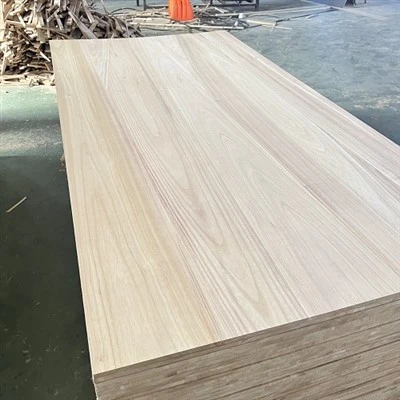
As a seasoned supplier of Paulownia veneer, I've witnessed firsthand the growing demand for this versatile and sustainable material. Paulownia veneer is prized for its light weight, beautiful grain patterns, and excellent workability, making it a popular choice for a wide range of applications, from furniture and cabinetry to decorative panels and musical instruments. In this blog post, I'll share my expertise on how to cut Paulownia veneer effectively, ensuring high-quality results for your projects.
Understanding Paulownia Veneer
Before diving into the cutting process, it's essential to understand the characteristics of Paulownia veneer. Paulownia is a fast-growing hardwood known for its low density and uniform texture. The veneer is typically sliced or rotary-cut from Paulownia logs, resulting in thin sheets that showcase the wood's natural beauty.
One of the key advantages of Paulownia veneer is its flexibility, which allows it to be easily bent and shaped to fit various designs. However, this also means that it requires careful handling during the cutting process to prevent cracking or splitting.
Tools and Equipment
To cut Paulownia veneer accurately, you'll need the right tools and equipment. Here are some essential items to have on hand:
- Sharp Knife or Veneer Saw: A sharp knife or veneer saw is crucial for making clean, precise cuts. Choose a blade with fine teeth to minimize tear-out and ensure a smooth finish.
- Cutting Mat: A cutting mat provides a stable surface for cutting and protects your workbench from damage. Look for a mat with a non-slip surface to prevent the veneer from shifting during cutting.
- Clamps: Clamps are used to secure the veneer in place while cutting, preventing it from moving or warping. Make sure to use clamps that are gentle on the veneer to avoid damaging it.
- Ruler or Straight Edge: A ruler or straight edge is essential for measuring and marking the veneer before cutting. Use a metal or plastic ruler with clear markings for accurate measurements.
- Sandpaper: Sandpaper is used to smooth the edges of the cut veneer and remove any rough spots or splinters. Choose a fine-grit sandpaper, such as 220 or 320 grit, for a smooth finish.
Preparing the Veneer
Before cutting the Paulownia veneer, it's important to prepare it properly to ensure a successful outcome. Here are some steps to follow:
- Inspect the Veneer: Carefully examine the veneer for any defects, such as knots, cracks, or discoloration. If you notice any issues, mark them with a pencil so you can avoid cutting through them.
- Measure and Mark the Veneer: Use a ruler or straight edge to measure and mark the desired dimensions on the veneer. Make sure to leave a small margin for error, especially if you're cutting the veneer for a specific project.
- Secure the Veneer: Place the veneer on a cutting mat and secure it in place using clamps. Make sure the veneer is flat and smooth, with no wrinkles or bubbles.
Cutting Techniques
There are several cutting techniques you can use to cut Paulownia veneer, depending on the shape and size of the piece you need. Here are some common methods:
- Straight Cuts: To make a straight cut, use a sharp knife or veneer saw and a straight edge as a guide. Place the straight edge along the marked line and carefully cut along the edge of the straight edge, applying gentle pressure to the blade. Make sure to keep the blade perpendicular to the veneer to ensure a clean, straight cut.
- Curved Cuts: For curved cuts, you can use a jigsaw or a coping saw. Mark the curve on the veneer using a pencil and a template or pattern. Then, carefully cut along the marked line using the saw, following the curve as closely as possible. Take your time and make small, precise cuts to avoid tearing or splintering the veneer.
- Angled Cuts: To make an angled cut, use a miter saw or a table saw with a miter gauge. Set the saw blade to the desired angle and carefully cut the veneer along the marked line. Make sure to use a sharp blade and apply gentle pressure to the veneer to prevent it from moving or shifting during cutting.
Tips for Success
Cutting Paulownia veneer requires patience, precision, and attention to detail. Here are some tips to help you achieve the best results:
- Use a Sharp Blade: A sharp blade is essential for making clean, precise cuts. Dull blades can cause tear-out, splintering, and uneven edges, so make sure to keep your blades sharp by sharpening or replacing them regularly.
- Take Your Time: Cutting Paulownia veneer is a delicate process that requires patience and precision. Don't rush the process, and take your time to make small, precise cuts. This will help you avoid mistakes and ensure a high-quality finish.
- Support the Veneer: When cutting the veneer, make sure to support it properly to prevent it from bending or warping. Use a cutting mat or a flat surface to support the veneer, and apply gentle pressure to the blade to keep it in place.
- Sand the Edges: After cutting the veneer, use sandpaper to smooth the edges and remove any rough spots or splinters. This will help the veneer fit together more smoothly and give it a professional finish.
Applications of Paulownia Veneer
Paulownia veneer is a versatile material that can be used in a wide range of applications. Here are some common uses for Paulownia veneer:
- Furniture and Cabinetry: Paulownia veneer is a popular choice for furniture and cabinetry due to its beautiful grain patterns and light weight. It can be used to cover the surfaces of cabinets, drawers, and tables, adding a touch of elegance and sophistication to any room.
- Decorative Panels: Paulownia veneer can be used to create decorative panels for walls, ceilings, and doors. The veneer can be stained or painted to match the decor of the room, and it can be used in combination with other materials, such as glass or metal, to create unique and eye-catching designs.
- Musical Instruments: Paulownia veneer is also used in the production of musical instruments, such as guitars, violins, and pianos. The veneer's light weight and excellent acoustic properties make it an ideal choice for these applications, as it helps to produce a clear and resonant sound.
- Surfboards: Paulownia veneer is increasingly being used in the production of surfboards due to its light weight, strength, and flexibility. The veneer can be used to cover the surface of the surfboard, providing a smooth and durable finish. For more information on 8mm Paulownia Wood Surfboard, click the link.
Conclusion
Cutting Paulownia veneer requires the right tools, techniques, and attention to detail. By following the tips and guidelines outlined in this blog post, you can cut Paulownia veneer effectively and achieve high-quality results for your projects. Whether you're a professional woodworker or a DIY enthusiast, Paulownia veneer is a versatile and sustainable material that offers endless possibilities for creativity and innovation.
If you're interested in purchasing Paulownia veneer or learning more about our products, please don't hesitate to contact us. We're a leading supplier of Paulownia Timber and Paulownia Finger Jointed Board, and we're committed to providing our customers with the highest quality products and services. Contact us today to start a procurement discussion and discover how Paulownia veneer can enhance your next project.
References
- "Paulownia Wood: Properties, Uses, and Sustainability." Woodworking Network.
- "Cutting Veneer: Tips and Techniques." Fine Woodworking Magazine.
- "Paulownia Veneer: A Versatile and Sustainable Material." Sustainable Wood Products Journal.